Project Helix: Xbox’s Next-Gen Console Vision
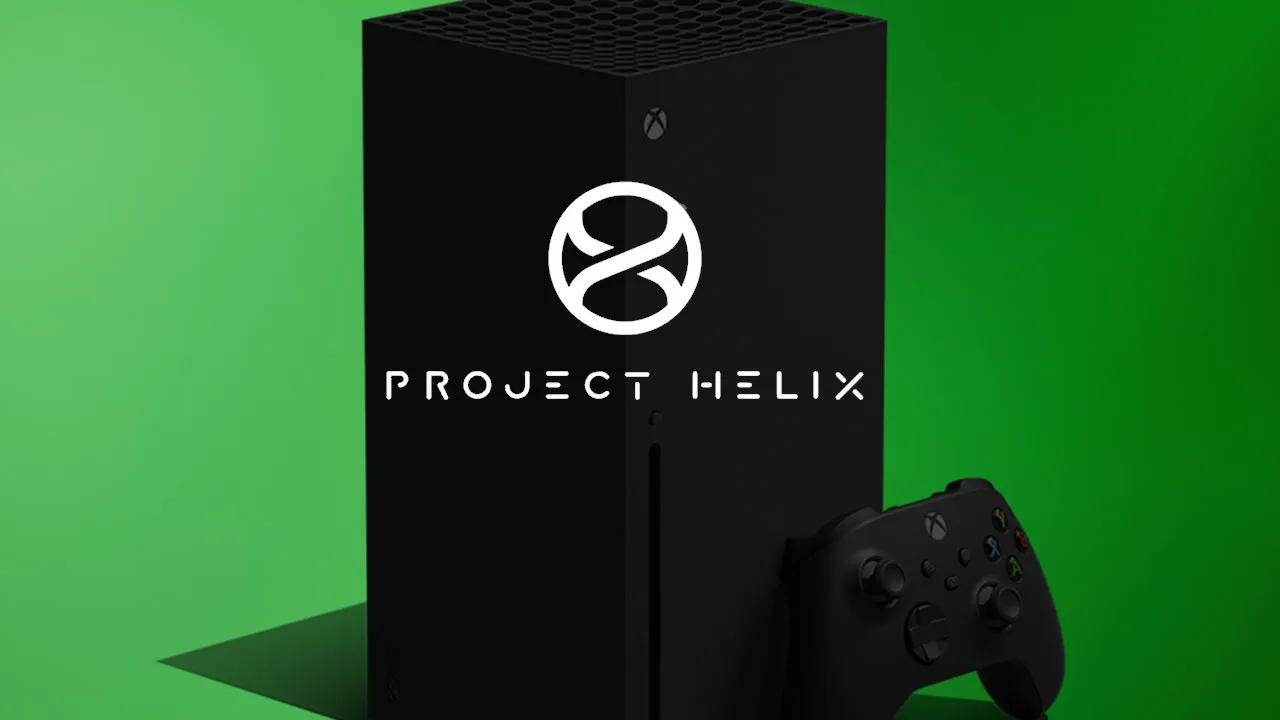
At the 2026 Game Developers Conference, Microsoft pulled back the curtain on Project Helix, the codename for its next-generation Xbox console. The reveal wasn’t about release dates or pricing—it was about philosophy. Xbox is designing a machine that doesn’t just play games but fundamentally reimagines the relationship between console and PC gaming.
Project Helix: Xbox’s Next-Gen Console Vision
Project Helix is powered by a custom AMD system-on-chip, co-designed specifically for the next generation of DirectX and AMD’s FidelityFX Super Resolution technology. This partnership isn’t casual; it’s a deep architectural collaboration aimed at defining the future of rendering and simulation. Jason Ronald, Xbox’s vice president for next-generation hardware, promises “an order of magnitude leap in ray tracing performance and capability” that integrates intelligence directly into the graphics pipeline.
The implications are staggering. Games will feature more realistic lighting, dynamic worlds, and immersive environments that current hardware simply cannot sustain. But raw power isn’t the only goal. Microsoft is leaning heavily into neural rendering—using machine learning to generate materials, upscale images, and even create entire frames. This represents a fundamental shift from traditional rasterization toward AI-accelerated graphics.
Texture compression is getting a neural upgrade as well. With storage prices climbing and game install sizes ballooning, Project Helix will support deep texture compression and neural texture compression techniques that shrink file sizes without sacrificing visual fidelity. Combined with DirectStorage and Zstd compression, games will stream assets directly from SSDs, reducing RAM requirements and eliminating loading screens.
Perhaps most intriguing is Microsoft’s commitment to breaking down barriers between console and PC ecosystems. Project Helix is explicitly designed to play both console and PC games, and an upcoming Xbox mode for Windows 11 will let players switch seamlessly between work and play with a controller-optimized interface. The goal: give developers a simplified path to reach multiple platforms while reducing production costs.
Alpha versions of Project Helix hardware will ship to developers starting in 2027, suggesting a full reveal around 2028. That timeline feels distant, but given the Xbox Series X launched in 2020, the next generation is closer than it seems. Microsoft is positioning Project Helix not merely as a console upgrade but as a platform that unifies gaming across devices—an ambitious bet on an ecosystem-centric future.