Cloud Gaming Mainstream Moment

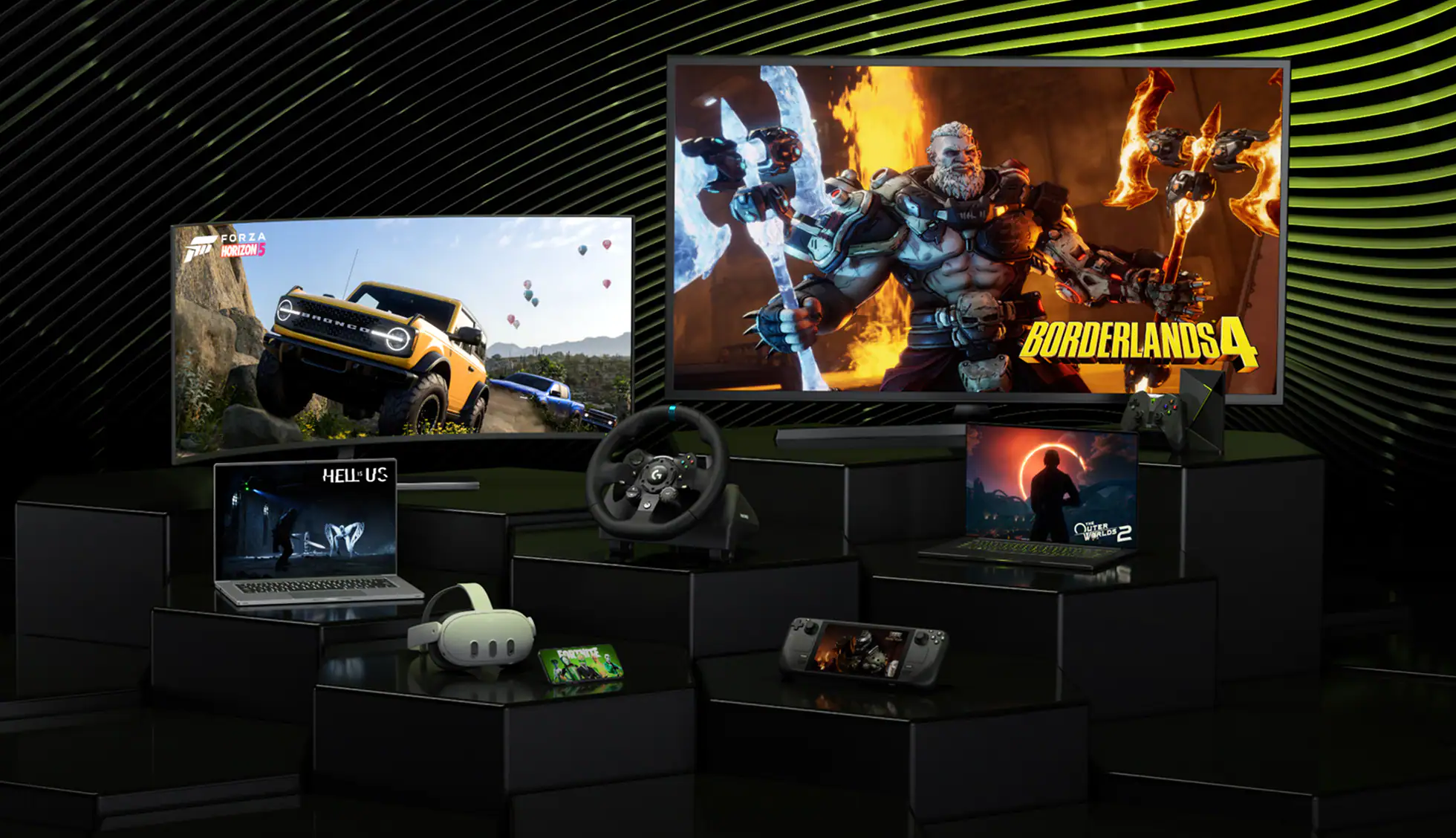
Cloud gaming has evolved from experimental convenience to mainstream distribution mechanism. According to industry research, approximately 60% of gamers have tried cloud gaming, with 80% reporting positive experiences—evidence that latency and quality constraints have narrowed significantly.
Cloud Gaming Mainstream Moment
The financial trajectory reinforces this shift. Global cloud gaming revenue is projected to grow from $1.4 billion in 2025 to $18.3 billion by 2030, with paying users expected to exceed 50 million. This growth isn’t driven by hardware sales or physical media; it’s powered by frictionless onboarding that lets players launch games instantly from ads, creator streams, or social media links.
For developers, this transforms acquisition economics. A player who sees a streamer playing an interesting game can click directly into that experience without downloads, installations, or payment friction. Conversion happens in seconds rather than days, dramatically improving marketing efficiency.
Platform strategies are evolving accordingly. Microsoft’s acquisition of Activision Blizzard expanded its cloud-first content footprint. Sony’s PlayStation Portal reflects a commitment to streaming-native devices. Valve’s renewed hardware exploration signals confidence in a hybrid-cloud future where local processing and cloud rendering coexist.
The console-centric competitive era is giving way to ecosystem-centric, device-agnostic competition. Players expect their games, saves, and social connections to follow them across phones, tablets, PCs, and TVs. Cloud gaming makes this seamless, reducing the importance of individual hardware purchases and increasing the value of platform subscriptions.
For emerging markets, cloud gaming offers access to premium experiences without premium hardware costs. A player with a mid-range smartphone and reliable internet can access the same titles as someone with a $2,000 gaming PC. This democratization expands addressable audiences while creating new challenges around latency infrastructure and data costs.
Despite progress, cloud gaming still represents a minority of total playtime. Hybrid usage patterns—streaming on mobile during commutes, playing locally on consoles at home—dominate current behavior. But as 5G networks mature and edge computing infrastructure expands, the line between local and cloud will continue blurring until it eventually disappears.